Age and occasion paths

Little Tikes Play Choices by Stage, Space, and Gift Moment

This page treats industries as consumer play contexts rather than industrial verticals. Families do not shop for a "sector"; they shop for a toddler who needs motion, a preschooler who wants a pretend kitchen, a birthday gift that will not be outgrown in a week, or an outdoor toy that fits the yard. The accordion layout keeps those contexts compact while still giving each one enough detail to guide a useful product shortlist.
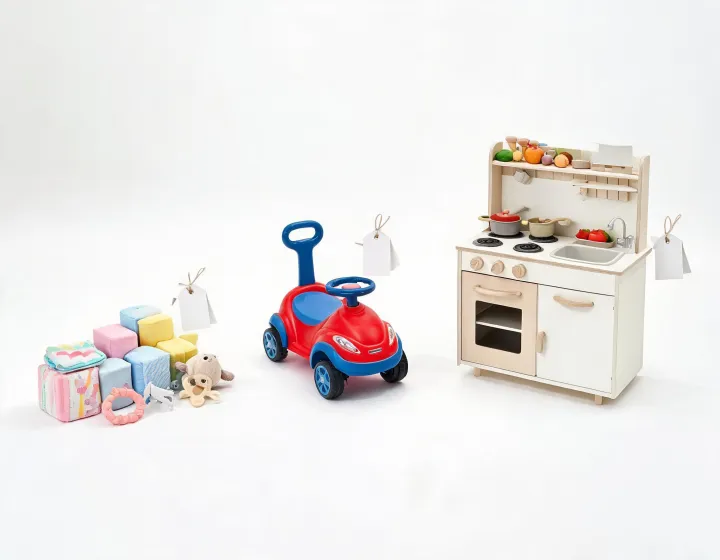
Age and occasion play contexts

For the youngest children, the best Little Tikes choice is often not the largest item. Families usually need soft movement cues, visible contrast, easy cleaning, and a product that does not overwhelm the nursery. When the request includes a baby shower, first birthday, or early care setting, the product path should stay gentle and practical. The selection conversation should also separate baby feeding or nursery needs from active toddler toys so no one buys ahead of the child's readiness.

Toddlers need toys that let them push, climb, steer, carry, and repeat. Ride-on vehicles, small slides, toy storage benches, and simple pretend sets are useful because they give children a sense of control without asking them to manage complicated rules. The most important buying questions are floor space, outdoor surface, adult supervision, and whether the toy encourages a real physical skill. A short list built around those details feels more helpful than a long wall of product names.

Preschoolers often turn a product into a scene: cooking lunch, driving to the store, caring for a dollhouse family, or running a backyard course with friends. Role-play and collectible toys work best when accessories are visible, durable, and easy to reset. For this stage, the recommendation should explain what kind of story the product supports, how many children can participate, and whether the item can shift between quiet play and group play during the same day.

Inflatables, bounce houses, and larger outdoor playsets are chosen around space, weather, storage, and the number of children likely to play at once. A good assortment plan identifies whether the family wants a quick weekend setup, a semi-permanent backyard structure, or a gift that can anchor summer gatherings. The product card should make active play feel exciting while still being clear about footprint and use context.

Gift buyers need fewer choices than parents browsing for a full playroom. They want confidence on age fit, whether the toy feels substantial, and whether it can be used immediately. Little Tikes gift guidance should steer shoppers toward clear play outcomes: active energy, pretend storytelling, first wheels, or outdoor gathering. That framing prevents a birthday search from becoming a scattered comparison across unrelated toy categories.

Match the play context before choosing the item.

Tell us the child's age, where the toy will live, and whether the goal is movement, pretend play, or a giftable centerpiece.