Sustainability dashboard

Little Tikes Sustainability Starts With Toys That Last Longer

A practical sustainability program for toys begins before a box is shipped. The most useful improvements are visible in fewer returns, clearer age fit, durable parts, recyclable packaging goals, and product stories that help families choose items they will use repeatedly. This dashboard-style page keeps those measures in view without turning sustainability into vague decoration.
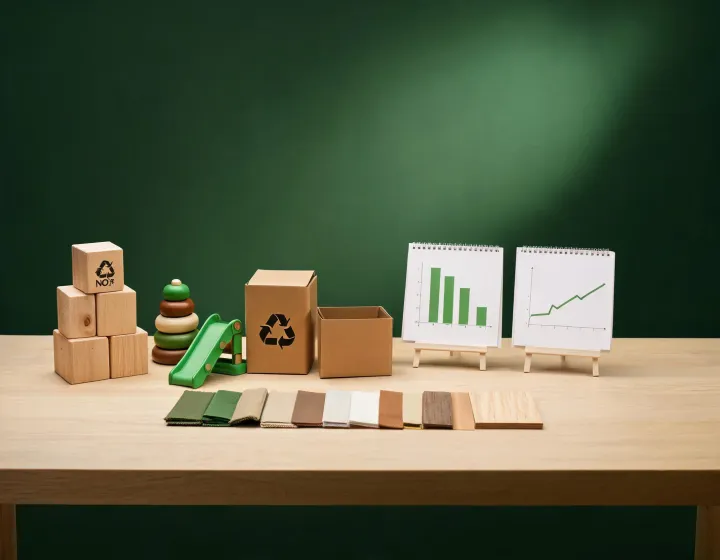
Sustainable toy materials dashboard
Data dashboard

Measures that matter for family products

The dashboard favors signals a buyer can understand: whether a product lasts through repeat play, whether material claims are specific, and whether packaging choices reduce unnecessary waste. These are practical indicators for outdoor play equipment, role-play toys, and ride-on vehicles because each category has a different footprint and use cycle.

Long UseDesigned for repeat seasons, sibling handoff, and everyday reset.Target: fewer short-life purchases
Material ClarityPlain notes for molded plastics, fabric elements, coatings, and contact surfaces.Target: easier parent review
Packaging ReductionRight-sized cartons and lower-waste inserts where product protection allows.Target: less excess volume
Repair RoutingSupport requests are directed toward parts, use questions, or product replacement paths.Target: keep useful toys in play
Reference list

Documents families and buyers often ask for

The download list is intentionally request-based because toy programs change by season, market, and product family. A bounce house, a dollhouse, and a tricycle do not share the same material profile or packaging needs. Keeping the request path open lets a family or retail buyer ask for the relevant note rather than reading a generic statement that applies to everything and nothing. It also supports a cleaner compliance review for age grading, surfaces, and supervised outdoor play.

Regulatory timeline

A clear path for responsible play updates

Step 1

Review use setting

Separate indoor pretend play, outdoor inflatables, and ride-on vehicles before judging materials or packaging.

Step 2

Check age and supervision language

Confirm that the product story explains who the toy is for and what adult setup may be needed.

Step 3

Document materials and care

Keep material notes, cleaning guidance, and storage expectations connected to the specific play category.

Step 4

Reduce waste in the next cycle

Use support questions, packaging feedback, and replacement requests to prioritize practical improvement.

Ask for the sustainability note that matches your product category.

Send the toy type, age range, and use setting. We will route the request to the most relevant material, care, or packaging information.